
Is n8n / low-code automation dead?
Did Claude Code kill low code automation in the enterprise?

I am officially launching a Youtube channel, thus completing my post-AI-era-knowledge-worker-career-arc as a “youtuber”. Please subscribe for the spicy takes, AI news briefs, and straight-to-Youtube content: stuff that’s too edgy to post on Substack. Now, back to scheduled programming.
Is n8n / low-code AI automation dead?
That’s been the elephant in the room for many, so let’s deal with it.
Over the last 3 months, Claude Code and CoWork introduced a new way to build AI automations (by writing markdown files), and it quietly broke a core assumption the workflow industry has lived on for years: that non-technical users need a visual, drag-and-drop builder to create reliable automation.
So this isn’t just about n8n, but about the design philosophy beneath a huge chunk of enterprise software and “AI-native” startups. ServiceNow’s workflow stack is built around designing “flows” and visual orchestration. LangChain has LangGraph Studio as a visual builder. Sierra and Decagon (customer support AI startups) also have a visual builder. Relevance AI, Flowise, Gumloop, etc, the list is long.
And over time, everyone’s products started looking more or less the same. Visual flow based builders were the consensus bet when it comes to enterprise AI automation.
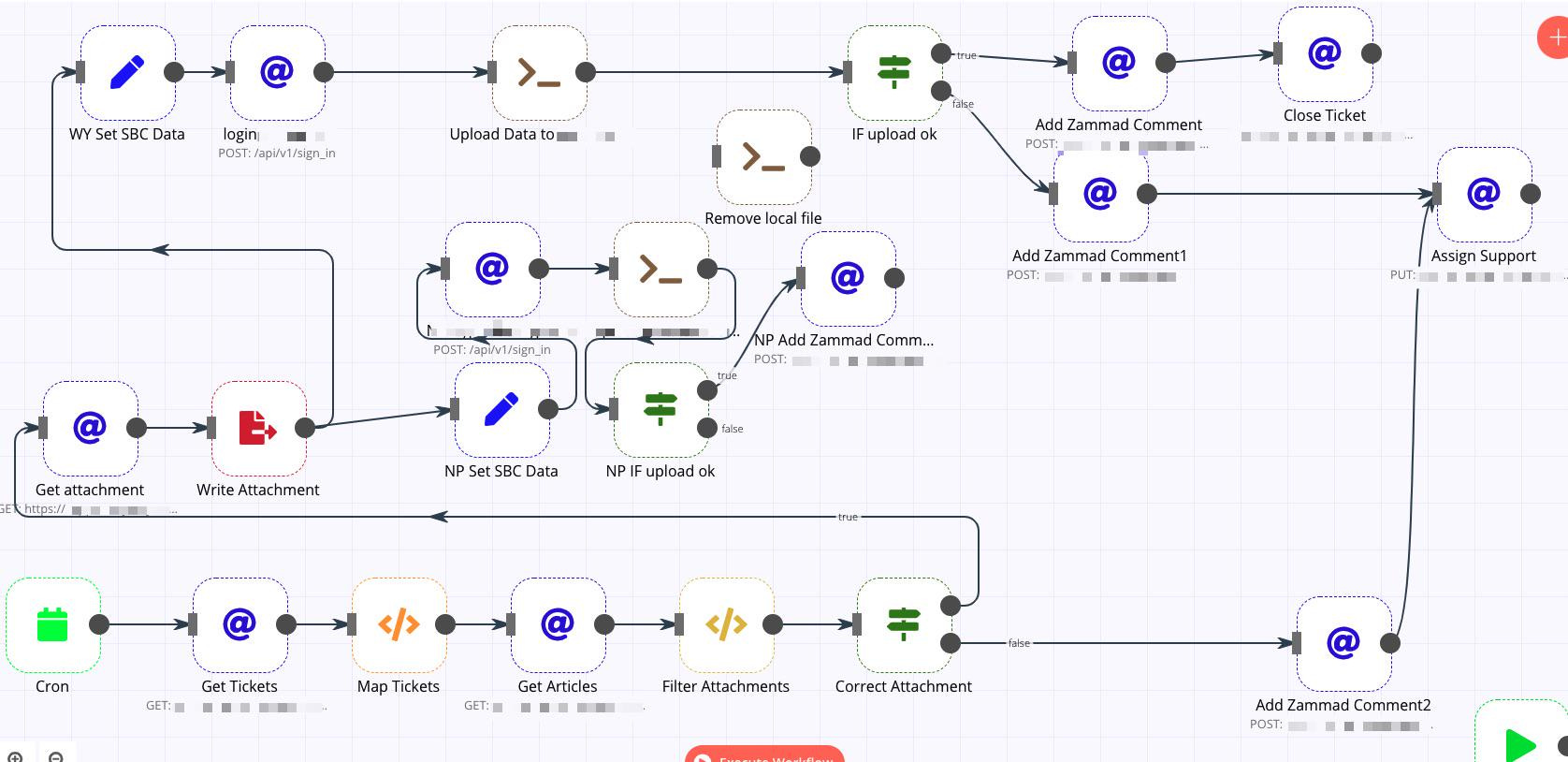
But then Claude Code happened, and that bet is starting to look sketchy.
Not because visual builders don’t work—they do—but because the jobs they were hired to do can be solved arguably better by a different paradigm. When you can describe an automation in plain English and get deterministic logic back, the drag-and-drop GUI starts getting really annoying and cumbersome. Not to mention, n8n wasn’t meant for building AI agents with 50+ steps.
So if the visual builder was the core bet behind all these enterprise AI platforms, where does that leave us? Low code automation isn’t dead, but its role in enterprises’ tech stack is evolving quickly, and that’s the crux of this post.
This shift will affect everyone.
If you’re a PM or operator, you’re wondering whether to learn low code automation, or go straight to Claude Code.
If you’re in the C-suite, you’re wondering whether your AI transformation efforts are already a waste of money or whether that Sierra renewal was a mistake. You are wondering how to calm down your board members who read about Claude Code on Twitter.
If you’re an investor, you start second guessing whether that ServiceNow long position makes sense, and if the consumption based low-code automation category (and the AI startups built on that paradigm) still has a future.
But as usual, the reality has a lot of nuances, and the transition from low code automation to natural language automation will happen in shades.
Join the 55K readers monthly to stay ahead of the curve on enterprise AI trends